



LPG heating is the go-to option if your home isn’t connected to the mains gas network, which tends to mean more rural properties. If you’ve never had it before, it can feel like an unknown, so here’s a plain English guide from Housewarmers, covering how LPG boiler installation works, what it costs to run, and what to expect.
What is LPG heating?
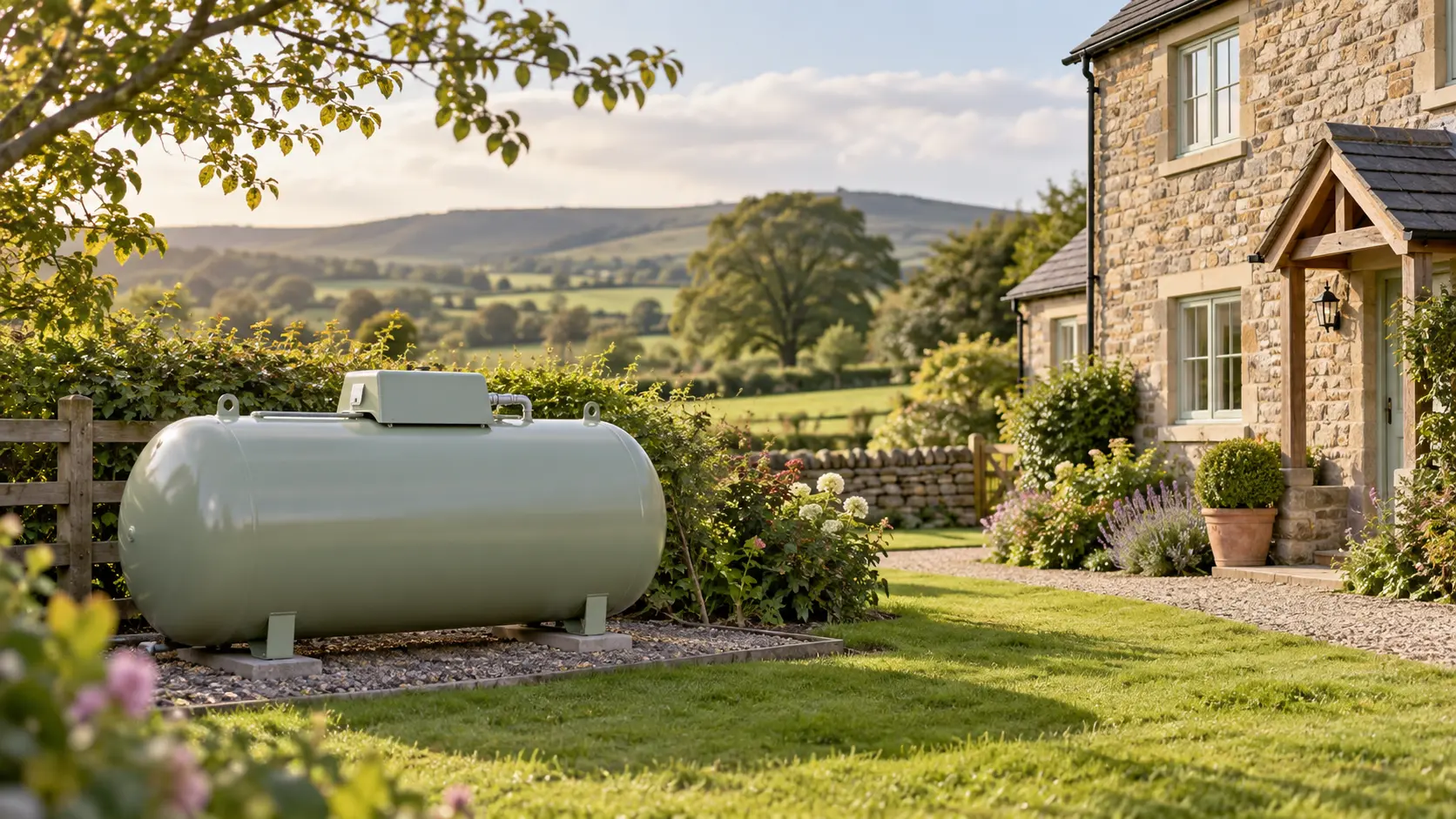
LPG stands for liquefied petroleum gas. Unlike mains gas, which is piped straight to your property, LPG is delivered and stored in a tank or cylinder on site, then fed into your boiler in much the same way mains gas would be. Day to day, an LPG boiler works just like a gas one, it heats up quickly, gives you consistent hot water, and doesn’t need any special routines to operate.
The main practical difference is planning ahead. You’ll need somewhere suitable to site a tank or cylinder, and you’ll need to arrange deliveries or top-ups rather than simply paying a gas bill each month.
What does LPG cost to run?
Running costs are one of the first questions people ask, so let’s be straightforward about it. LPG typically costs somewhere in the region of 7 to 11 pence per kWh, depending on your supplier and usage. For comparison, mains gas currently sits at around 7.33 pence per kWh and electricity at around 26.11 pence per kWh under the Ofgem price cap for July to September 2026 (Ofgem, 2026).
In practice, that puts LPG slightly above mains gas but considerably cheaper than electric heating. Modern LPG boilers can also achieve efficiency ratings of 90% or more, so very little of what you’re paying for is wasted. For homes that don’t have the option of a mains gas connection, LPG is usually the most cost effective heating fuel available.
How LPG storage and delivery works
LPG is stored either in a larger tank, usually sited outside on a concrete base, or in smaller cylinders for lower-demand properties. As part of any LPG survey, we’ll look at where a tank can be safely and practically sited, taking into account access for delivery vehicles and any relevant safety distances from boundaries, doors and windows.
Once it’s set up, most suppliers offer either pay-as-you-go top-ups or scheduled deliveries, so you’re not left checking levels constantly. It does mean a bit more planning than a mains gas bill, but it’s a routine most LPG households settle into quickly. Get in touch and we’ll talk you through what a tank or cylinder setup would look like at your property.
Where we see LPG heating in practice
We carry out a fair amount of LPG work in and around Durham. The city itself has a mix of period properties and modern developments, but the surrounding villages are more rural and often sit off the gas grid entirely, which is where LPG tends to be the practical choice. It’s also an area where we fit more premium boiler products, often because customers are replacing older, higher spec systems that were already running well.
The pros of LPG heating
- Works like mains gas day to day, with fast heat-up and reliable hot water.
- Efficient, with modern boilers regularly achieving 90%+ efficiency ratings.
- A practical alternative to oil, generally cleaner burning and often simpler to plan around.
- Widely supported, with established suppliers offering both tanks and cylinders depending on your property’s needs.
The cons of LPG heating
- Slightly higher cost per unit than mains gas, though still considerably cheaper than electric heating.
- Needs space for a tank or cylinder, which isn’t always straightforward on smaller plots.
- Requires planning for deliveries, rather than the set-and-forget nature of a mains gas bill.
Is LPG right for your home?
If you’re not connected to mains gas, and particularly if you’re currently on oil, LPG is well worth considering. It gives you a heating experience close to mains gas, without the higher running costs of going fully electric. The right answer still depends on your specific property, so a proper survey is the best way to confirm what’s realistic for your home and where a tank could go.
Frequently asked questions
Is LPG cheaper than oil? It varies by supplier and market conditions, but LPG is generally considered a clean-burning, efficient alternative to oil, and many rural homes switching away from oil move to LPG for that reason. We don’t currently install or repair oil boilers, so if you’re weighing up a switch, LPG or electric are the two options we can help with directly.
How much LPG will my home use? This depends on your property size, insulation and hot water demand. As part of a survey, we’ll help you understand what a typical tank size and delivery schedule might look like for your home.
Can I switch from oil to LPG? Yes, it’s a common switch for homes moving away from oil heating. The practicalities depend on your existing setup and where a new tank could be sited, which is exactly what a survey is for. If cost is a factor, we also offer flexible finance options on new installations, subject to status.
Thinking about LPG heating for your home?
If your property isn’t connected to the mains gas network, an LPG boiler could provide the efficiency and convenience of gas heating without the need for a mains supply. The best way to know if it’s right for your home is with a professional survey, where we’ll assess your existing heating system, discuss tank positioning and recommend the most suitable boiler.
If you’re looking for boiler installation in Durham or the surrounding villages, Housewarmers installs LPG boilers tailored to off-grid homes.
Call 0191 456 1929 or 0752 576 4529 to arrange a home survey or speak to our team today.