



Choosing the right heating fuel for your home comes down to three things: what’s already connected to your property, what your home is like, and what you want from your heating day to day. At Housewarmers, we handle new boiler installation for gas, LPG and electric systems across Sunderland and the surrounding areas in Tyne & Wear and County Durham, so here’s an honest, plain English guide to help you work out which one fits your home.
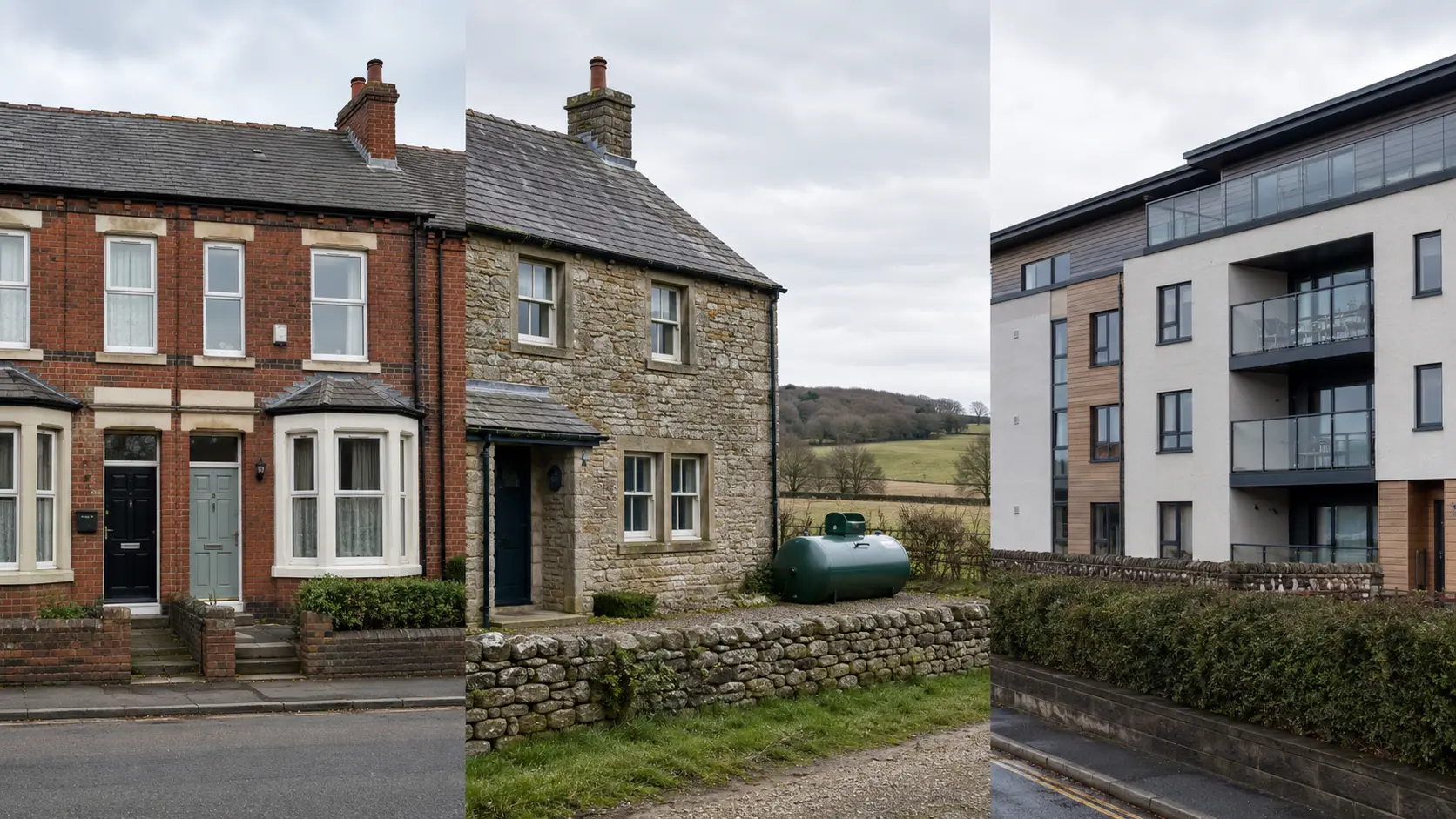
What fuel does your boiler need?
Most UK homes run on one of three main options: mains gas, LPG, or electric. A fourth option, oil, is common in some rural parts of the country, but it’s worth flagging early: we don’t currently install or repair oil boilers at Housewarmers.
Here’s what each option actually means for your home.
Gas boilers
Gas boilers run on mains gas, supplied straight to your property through the network. If you’ve got a gas meter and get bills from a gas supplier, you’re already connected, and a gas boiler is almost always the simplest, most cost effective choice.
Gas remains the most common heating fuel in built up areas like Sunderland and South Shields, and for good reason. It heats up quickly, it’s widely understood by engineers, and running costs are generally lower than the alternatives.
LPG boilers
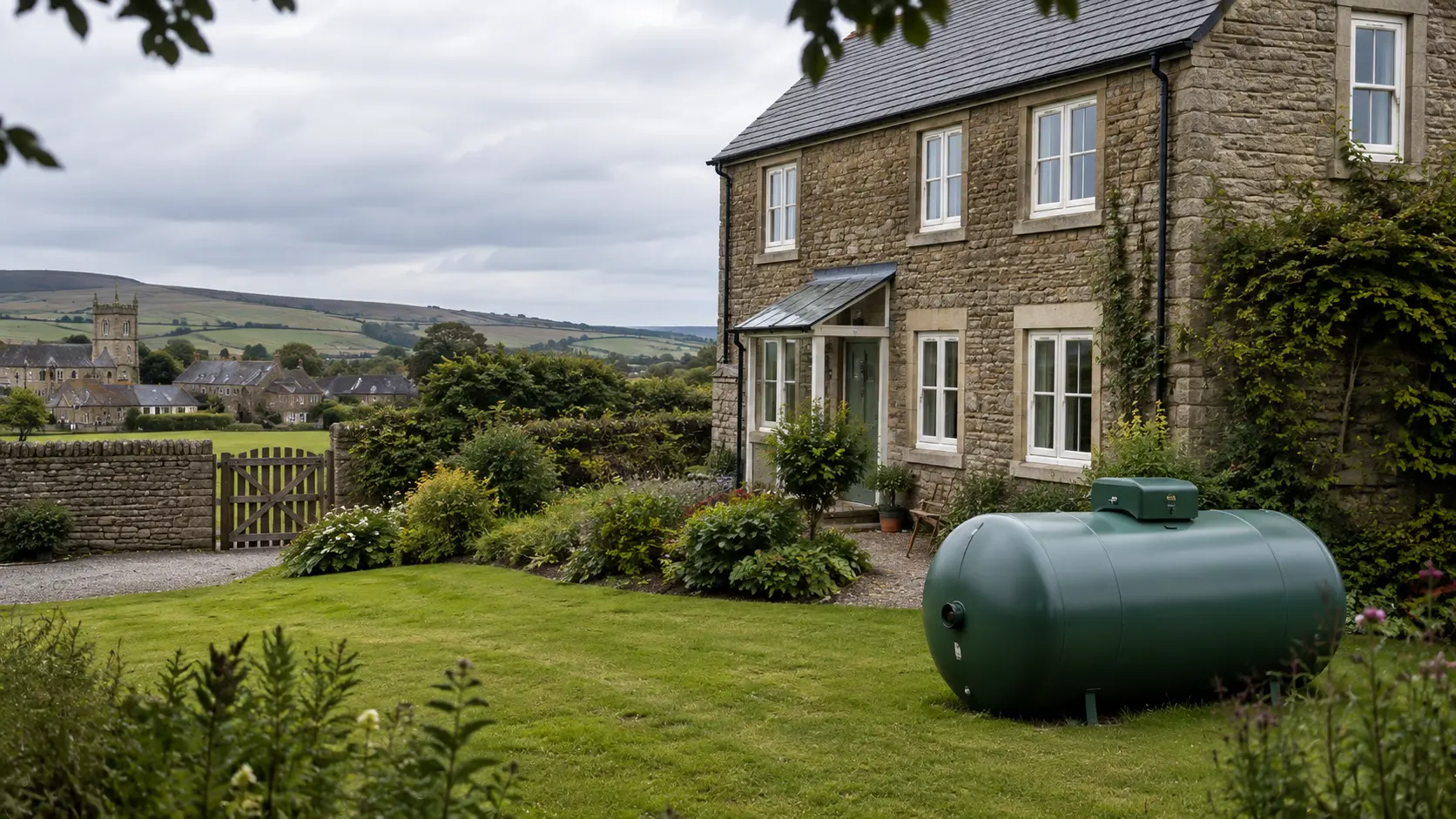
LPG (liquefied petroleum gas) is the go-to option for homes that aren’t connected to the mains gas network, which tends to mean more rural properties. Instead of a pipe from the street, LPG is delivered and stored in a tank or cylinder on site.
We see a fair amount of LPG work in and around Durham, where the city itself has a mix of period properties and modern developments, but the surrounding villages are more rural and often sit off the gas grid. It’s also an area where we tend to fit more premium boiler products, simply because customers are often replacing older, higher spec systems.
LPG boilers work in much the same way as gas ones day to day, and modern models can hit efficiency ratings of 90% or more. The main difference is planning for deliveries and having somewhere to site the tank.
Oil boilers
Oil boilers store fuel in an outdoor tank that gets topped up by delivery, and they’re typically larger and often floor standing. Like LPG, they’re mostly found in rural homes without access to mains gas.
As above, this isn’t a fuel type we currently install or repair. If your home already has an oil system and you’re weighing up your options, it’s worth getting advice from an OFTEC registered engineer who works with oil, or asking us about switching to LPG or electric instead.
Electric boilers
Electric boilers don’t burn any fuel at all. They use electricity to heat your home directly, and they shouldn’t be confused with the small electric water heaters used for kettles or a quick hot tap, an electric boiler is a full central heating system in its own right.
This is an area we’ve built up real expertise in, particularly in Sunderland. We do a lot of combi-to-combi replacements across the city’s apartments and traditional terraced homes, where an electric boiler can be a genuinely practical fit, no flue to route, no gas supply needed, and a much simpler installation in properties where space or access is tight.
Electric boilers tend to suit smaller properties or flats best, since running costs scale with electricity use rather than the more efficient burn of gas or LPG. For the right home, though, they’re quiet, compact and low maintenance, with no annual gas safety inspection required in the same way.
So, which fuel is right for your home?
There’s no single correct answer, it depends on what’s realistic for your property.
- Already on the mains gas network? Gas is usually the simplest and most cost effective route, and it’s what most engineers, including us, will recommend by default.
- Off the gas grid, in a more rural spot? LPG is the practical alternative, especially if you want a system that behaves like a gas boiler day to day.
- In a flat, apartment or smaller terraced home, especially in Sunderland? An electric boiler is worth a serious look, particularly if you’re replacing an existing combi and want to avoid flue or gas supply complications.
- Currently on oil? We’d point you toward LPG or electric as the switch, since oil installs and repairs aren’t something we cover.
The honest answer is that a lot of this comes down to your specific property, so a proper survey beats guesswork every time. If cost is a factor, we also offer flexible finance options on new installations, subject to status.
Frequently asked questions
Is electric heating more expensive to run than gas? Generally, yes, electricity costs more per unit than gas, so running costs can be higher. That said, for smaller, well insulated properties, the gap is often smaller than people expect, and you save on installation complexity and annual gas servicing requirements.
Can I switch from oil to LPG or electric? Yes, and it’s a common switch for homes moving away from oil. The right option depends on your property and whether you’re on or off the gas grid. Get in touch and we’ll talk you through what would work for your home.
Do LPG boilers need a special tank? Yes, LPG is stored in a tank or cylinder on your property, which needs to be sited appropriately. We’ll cover this as part of any survey for an LPG installation.
Not sure where to start?
Whether you’re replacing a gas boiler, considering LPG for an off-grid property or looking at an electric boiler, our experienced team can help. We install boilers for homeowners across Sunderland, South Shields, Seaham, Chester-le-Street and Durham, providing honest advice based on your property and your budget.
The best way to know which fuel and boiler is right for your home is with a professional home survey. Call us today on 0191 456 1929 or 0752 576 4529 to discuss your options or arrange a visit.