



Are electric boilers worth it? It depends on your property, but for the right home, particularly flats and smaller terraced houses, they can be a genuinely practical choice. Here’s an honest look at running costs, pros and cons from Housewarmers in Tyne and Wear, covering everything worth knowing before arranging a new boiler installation, so you can weigh it up properly before deciding.
What is an electric boiler?
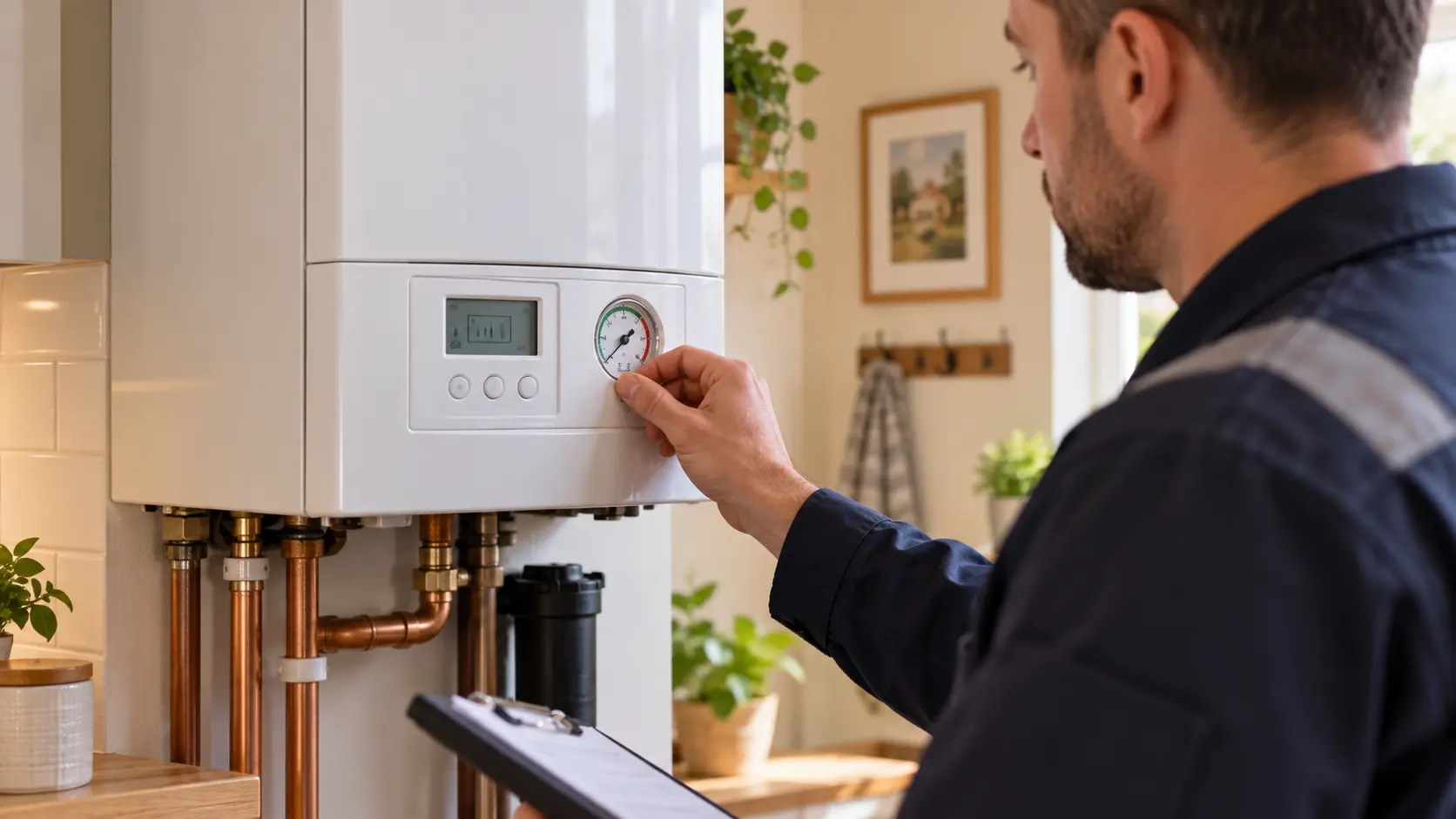
An electric boiler heats your home using electricity instead of burning gas, LPG or oil. It’s not the same as the small electric water heaters used for kettles or a quick hot tap, an electric boiler is a full central heating system, providing both heating and hot water in the same way a gas combi does.
Because there’s no combustion involved, there’s no flue to route and no gas supply needed, which makes electric boilers a popular option where installing or extending a gas connection isn’t practical.
What do electric boilers cost to run?
This is the question most people actually want answered, and it’s worth being upfront about it: electricity costs considerably more per unit than mains gas for most households. Under Ofgem’s price cap for 1 July to 30 September 2026, the average unit rate for customers on a standard variable tariff paying by Direct Debit is 26.11p per kWh for electricity, compared with 7.33p per kWh for gas.
That’s a significant difference per unit, roughly three and a half times more. However, electric boilers are close to 100% efficient at the point of use, since there’s no flue loss the way there can be with combustion boilers, which offsets the gap slightly. In practice, this usually still means higher running costs overall for an electric boiler compared to an equivalent gas system, particularly in larger or less well insulated homes.
Where electric tends to make more financial sense is in smaller, well insulated properties with lower overall heating demand, think a one or two-bedroom flat rather than a large family house. In these homes, the gap in running costs is less painful, and it’s often outweighed by the savings on installation and annual maintenance.
The pros of an electric boiler
- No flue or gas supply needed, which simplifies installation, especially in flats and apartments where routing a flue can be difficult or restricted.
- Compact and quiet, with no combustion noise and a smaller footprint than many gas boilers.
- Low maintenance, with no annual gas safety inspection required in the same way a gas appliance needs.
- Simple installation, particularly for combi-to-combi replacements where the existing setup already suits a compact unit.
- No carbon monoxide risk from the appliance itself, since there’s no combustion process.
The cons of an electric boiler
- Higher running costs per unit of heat, especially in larger or poorly insulated homes.
- Exposure to electricity price changes, which have historically moved more sharply than gas prices at times.
- Not usually the best fit for bigger family homes with higher overall hot water and heating demand.
- Fewer engineers specialise in them compared to gas, so it’s worth choosing an installer with genuine electric boiler experience.
Where we see electric boilers working well
This is an area we’ve built up real expertise in, particularly in Sunderland. We carry out a lot of combi-to-combi replacements across the city’s apartments and traditional terraced homes, where an electric boiler is often a genuinely practical fit, no flue to route, no gas supply complications, and a straightforward installation in properties where space or access is tight.
If you’re in a smaller, well insulated home and gas isn’t readily available or practical to install, an electric boiler is well worth considering rather than ruling out. Get in touch and we’ll talk you through whether it’s right for your property.
So, is an electric boiler worth it?
- Small flat or apartment, well insulated, no easy gas connection? Likely worth it, the simpler install and lower maintenance can outweigh the higher running cost.
- Larger family home with multiple bathrooms? Probably not your best option, a gas or LPG boiler will usually work out cheaper to run.
- Already on mains gas with an easy connection? Gas will almost always be the more cost effective choice for day-to-day running costs.
As with any boiler decision, the honest answer depends on your specific property, so it’s worth talking it through with an engineer who fits electric systems regularly, rather than guessing from general advice.
Frequently asked questions
Are electric boilers cheaper to install than gas boilers? It varies by property, but because there’s no flue or gas supply to install, electric boiler installations can sometimes be simpler and quicker, which may reduce labour costs. Get in touch for a survey and we’ll give you a proper comparison for your home.
Do electric boilers need an annual service? They don’t need the same annual gas safety inspection a gas boiler requires, but regular maintenance is still a good idea to keep the system running efficiently and to protect any manufacturer’s warranty.
Is an electric boiler good for a large family home? Generally, no, larger homes with higher hot water demand usually suit a gas or LPG system boiler better, both for running costs and for keeping up with multiple bathrooms. If cost is a concern either way, we also offer flexible finance options on new installations, subject to status.
Not sure if an electric boiler is the right choice?
Electric boilers aren’t the best solution for every property – but for the right home they can be an efficient, practical alternative to gas or LPG. We’ll assess your home’s heating requirements, explain the likely running costs and recommend the system that offers the best long-term value.
Whether you’re in Sunderland, South Shields, Seaham, Chester-le-Street or Durham, our experienced team is here to help.
Call 0191 456 1929 or 0752 576 4529 to book a survey or speak to us today.